
What Colors Go With a Brown Leather Sofa?
 Pumela Design
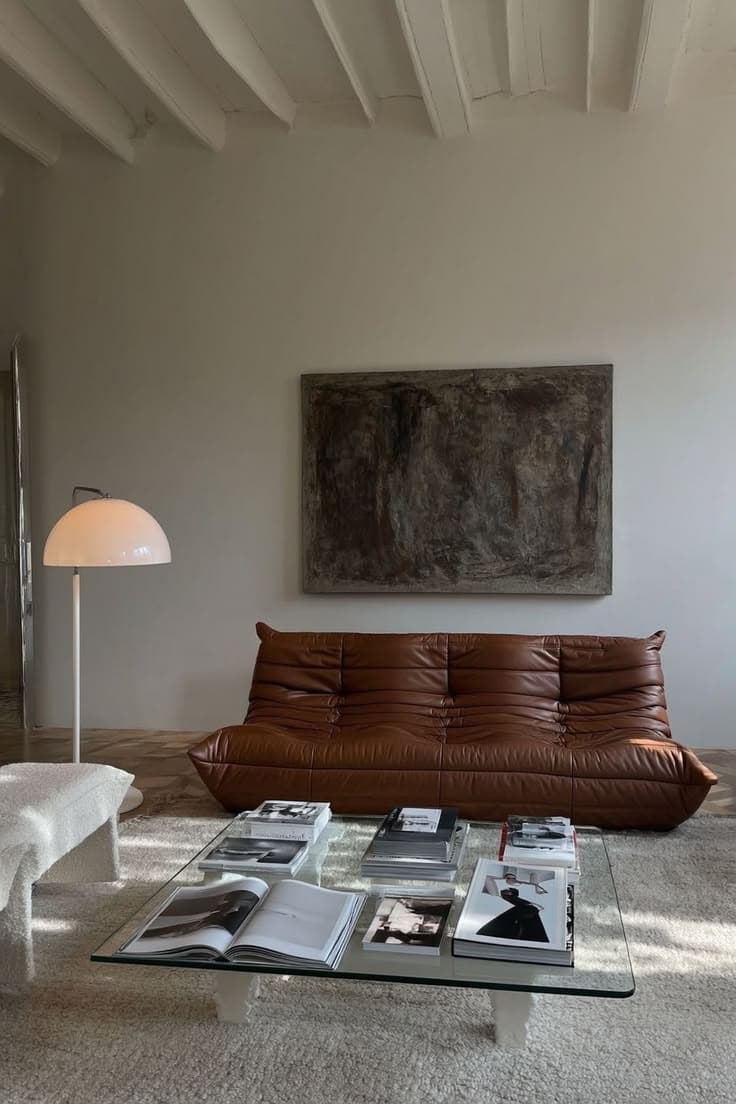
Warm neutrals, cream and white, olive or sage green, navy and rust all go well with a brown leather sofa. Brown is a neutral, so the choice comes down to the mood you want: calm and warm, fresh and light, or deep and moody.
Below is how to read your leather, how each palette works, which wall colors suit different light, and the mistakes to avoid. Each palette follows the same pattern: what it suits, why it works, walls, rug, accents and the mistake to avoid.
First, what undertone is your brown leather?
Brown is not one color. Look at your sofa in daylight and decide which of these it is closest to, because it changes which palette works best:
Light and warm (tan, caramel): has a golden or orange cast. It suits cream, sage green and warm blue, and it can look flat against yellow-beige walls.
Mid brown: the most flexible. Most palettes below work with it.
Dark and cool (espresso, chocolate): nearly black in low light. It suits crisp white, pale grey-green and brighter accents, and it can get lost against very dark walls.
If you cannot tell, hold a white sheet of paper next to the leather. If the leather looks orange against the paper it is warm, and if it looks closer to grey-brown it is cool.
Which colors go with a brown leather sofa?
Warm neutrals
Best for: a calm, low-contrast living room.
Why it works: beige, sand and oatmeal share brown's warm undertone, so nothing competes with the sofa.
Walls: soft greige or warm white.
Rug: a jute, wool or flat-weave rug in sand or oatmeal.
Accents: linen or wool cushions, a wood side table and a woven basket.
Common mistake: using only warm neutrals with no darker or lighter contrast, which can make the room look flat.
Cream and white
Best for: small rooms and rooms that need more light.
Why it works: light colors lift the leather and stop a dark sofa from dominating a small room.
Walls: warm white or pale cream.
Rug: a cream rug with a subtle pattern, which hides crumbs and dust better than a plain white one.
Accents: white or ivory throws and a pale lamp, so the sofa is the one dark shape in the room.
Common mistake: going pure bright white, which can feel cold next to warm brown.
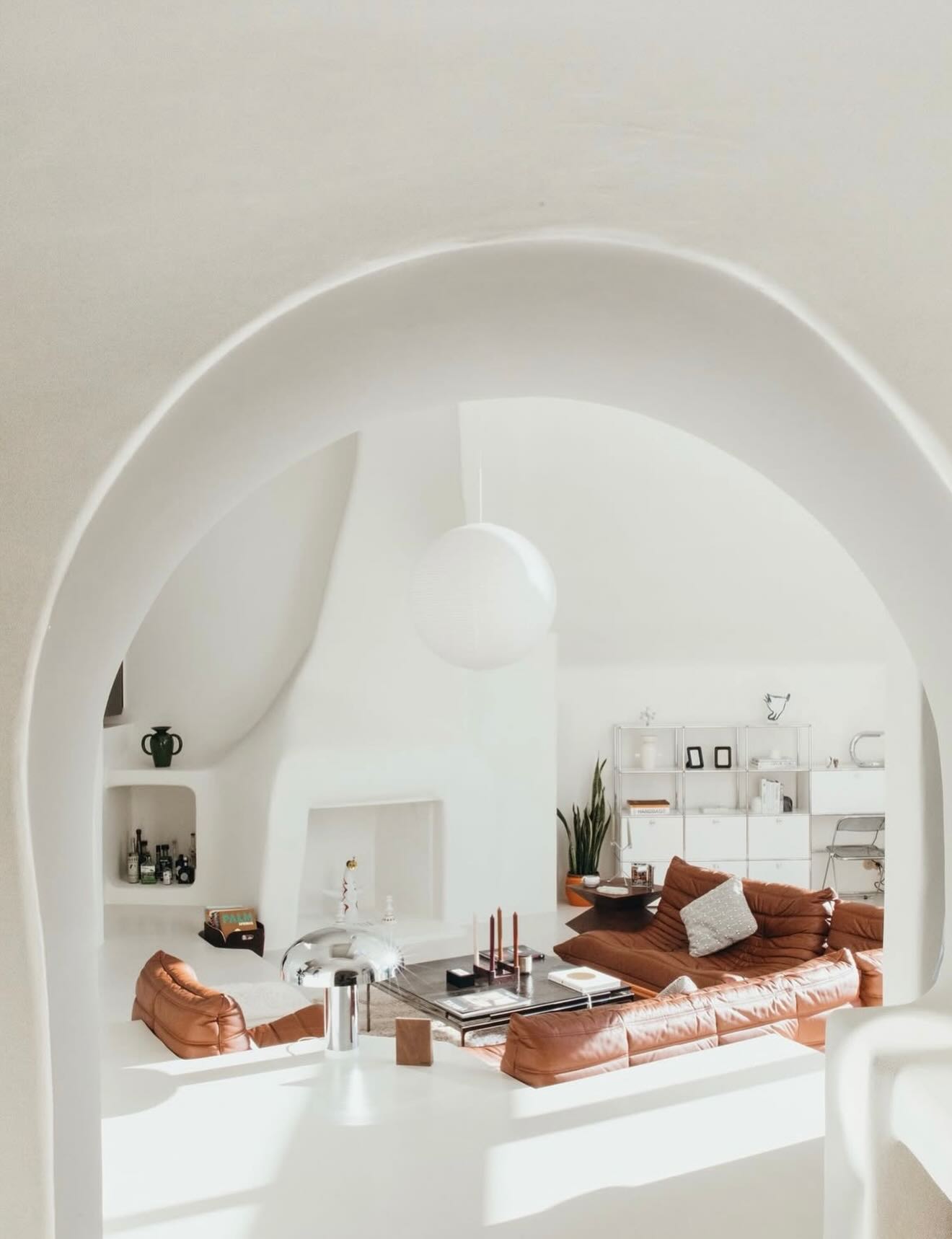
Olive and sage green
Best for: a relaxed, natural look with plants.
Why it works: green and brown both come from nature, so they sit together easily.
Walls: a muted sage on one wall, or leave the walls neutral and bring in green through plants.
Rug: a green or green-and-cream rug, or a neutral one if you already have plants.
Accents: green velvet cushions, a vase, or a green armchair beside the sofa.
Common mistake: choosing a bright, minty green, which clashes with brown more than a grey-toned olive does.
Navy and deep blue
Best for: a polished room with clear contrast.
Why it works: blue sits opposite orange-brown on the color wheel, so it gives contrast without clashing.
Walls: navy or slate on a feature wall, with lighter walls elsewhere.
Rug: a blue-and-cream patterned rug, or a plain navy one under a coffee table.
Accents: a few navy cushions and a blue ceramic lamp.
Common mistake: painting every wall dark blue, which makes a room small and heavy.
Rust, terracotta and mustard
Best for: a warm, lived-in room with lots of texture.
Why it works: these earthy tones sit close to brown, which makes a warm, layered room.
Walls: keep them light, such as warm white with a terracotta accent wall.
Rug: a rust or terracotta rug, or a neutral rug with a rust border.
Accents: a patterned throw and ceramics in one or two of these tones.
Common mistake: using all three at once, which can look busy.
Black, charcoal and grey
Best for: a modern, minimal room.
Why it works: a dark, neutral frame lets the leather stand out as warm.
Walls: charcoal, soft grey or warm white. Pair cool grey with a warm rug, so the room does not feel cold.
Rug: a charcoal or grey flat-weave, with a warm accent such as a camel throw.
Accents: black metal frames and a stone or glass side table.
Common mistake: pairing a cool grey with no warm accent, which can make brown look muddy.
What paint color goes with a brown sofa?
The best wall color depends on how much light the room gets. As a starting point:
North-facing rooms, which get cooler and dimmer light: choose warm whites, soft cream or pale greige, which keep the room from feeling cold.
South-facing rooms, which get brighter and warmer light: you can use deeper sage, muted blue or a stronger color without the room feeling heavy.
Rooms lit mostly at night: test paint under lamp light as well as daylight, because brown leather looks darker and redder under warm bulbs.
Try a large sample of the paint on the wall next to the sofa before you commit, because color looks different next to leather than on a card.
What two colors complement brown?
A simple formula is 60-30-10. Use a main neutral for about 60% of the room, a second color for about 30%, and a bold accent for the last 10%. With a brown sofa, these pairs work well:
Cream and sage green: the main color is cream, and green appears in cushions and plants.
Warm white and navy: white walls, with a navy rug and cushions.
Greige and rust: a calm base, with rust in a throw and ceramics.
Which wood, metal and textures go with brown leather?
Wood: mid-tone oak or walnut matches brown leather without competing. Very red woods such as mahogany can make the room look heavy.
Metal: brass, bronze and black all suit leather. Chrome can look cold next to warm brown.
Textiles: leather is smooth, so add texture with wool, linen, bouclé-style weaves and knitted throws.
Which colors should you use carefully?
Too much brown in one room feels flat. If the floor, the coffee table and the curtains are all brown as well, break it up with a lighter rug or a contrasting cushion. Very bright colors such as hot pink or neon can also fight with leather, so keep them for small accents if you use them at all.
How do you style rugs, pillows and throws?
Mix two or three patterns at most.
Repeat one color from the rug in the cushions so the room feels planned.
Choose cushions in at least two sizes, so the sofa does not look lined up like a display.
Light or dark walls with a brown sofa?
Both work. Light walls make a brown leather sofa the focus and keep a small room open. Dark walls in green, navy or charcoal make the room feel enclosed and rich, and they suit a larger room with plenty of light. If you are unsure, start with light walls and add color through cushions and a rug, which are easier to change than paint. If you have not chosen the sofa itself yet, our guide to picking a sofa color starts one step earlier.
Choosing the sofa itself
If you are still deciding on the leather, our leather vs fabric guide explains how full-grain leather ages and what to watch for. Pumela's Togo-style Sofa in full-grain brown leather is also available in black.
Frequently Asked Questions
Is it better to have a light or dark sofa?
It depends on the room. A dark sofa such as brown leather anchors a room and hides everyday marks, while a light sofa makes a small room feel more open but shows marks more easily.
What color rug goes with a brown leather couch?
Cream, sand, navy or a patterned rug that repeats one color from your cushions. Avoid a rug in nearly the same brown as the sofa, because the two can blend together.
Written by